Some renovation problems are visible. Others are hiding inside your walls.
Asbestos is the kind of discovery that can stop a project in its tracks — or, if you approach it the right way, barely slow it down at all.
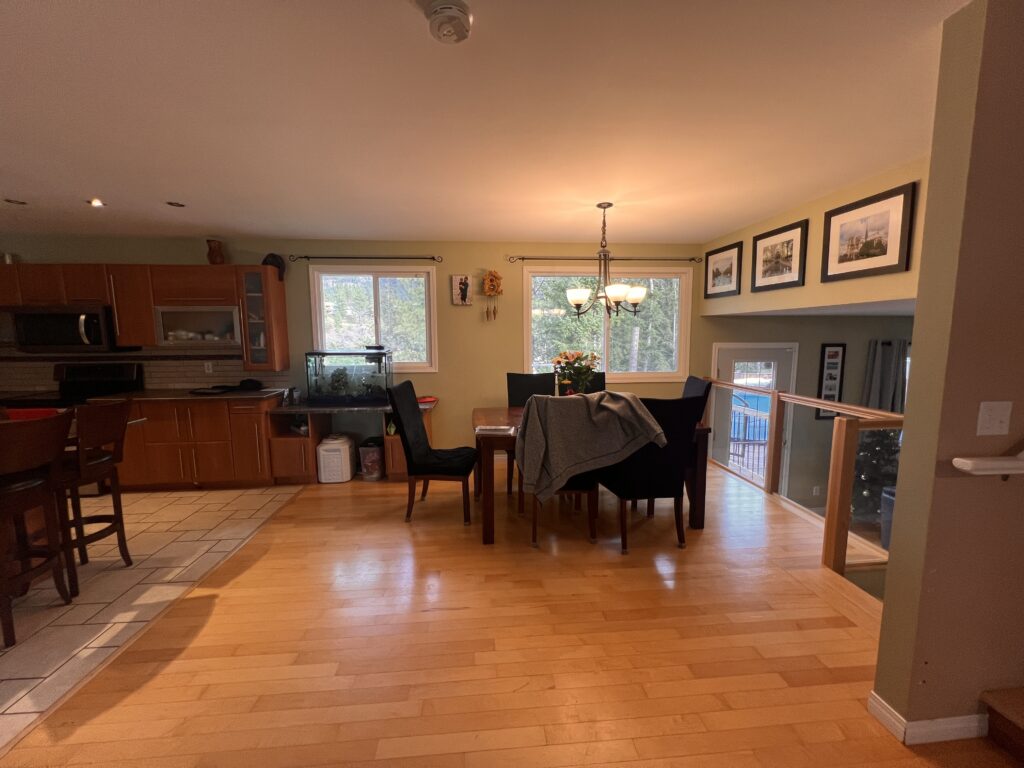
AFTER
BEFORE
The assumption most people make
When people hear “asbestos,” they assume the answer is always the same: gut everything, remediate everything, start clean. And when you’re doing a full gut renovation, that’s largely true. Strip back to the studs, bring in your abatement contractor, and rebuild from scratch. It’s disruptive, but it’s straightforward.
This project wasn’t that.
At this house, we were touching essentially every room — updating finishes, redoing surfaces, making the whole thing feel new — but we were leaving the structure largely intact. No new windows. Existing systems staying in place. It was a renovation designed to be efficient, and gutting everything wasn’t part of the plan.
Then the asbestos assessment came back. Drywall. Taping mud. Ceilings. Flooring. It was throughout the house.
Getting selective
The answer wasn’t to remediate everything. It was to figure out exactly what needed to come out and what could stay.
We worked closely with our abatement contractor to map the project room by room, surface by surface. Anywhere we were cutting, sanding, opening, or disturbing the existing material — that needed to go before our crew came in. Anywhere the material was intact and would remain completely undisturbed — we left it alone. Asbestos that isn’t disturbed isn’t a hazard. That’s not a shortcut; that’s the science.
This kind of selective abatement is a legitimate, well-established approach. But it requires the right contractor, honest conversation, and a clear plan made before demo begins — not during.
“We had to be really selective in how we abated the asbestos in this house — what areas we needed to abate before construction, and what areas we could leave and not disturb, in order to save the client money and for the project to move forward in the most efficient way possible.”
What it meant for the client
By being strategic about what we abated and what we left, we avoided the cost and timeline of a full remediation. The project moved forward efficiently. The budget stayed where it needed to be.
That’s the job — not just making something beautiful, but making the right calls at every stage to get the project there.
Follow the Build
We’re sharing the process, the missteps, and the decisions behind every detail at Cove House. More stories coming soon.
Want to read more about this project (and see all the incredible before and afters?) Click here.