

Behind the Build: Insulation Decisions That Balance Budget, Comfort & Code
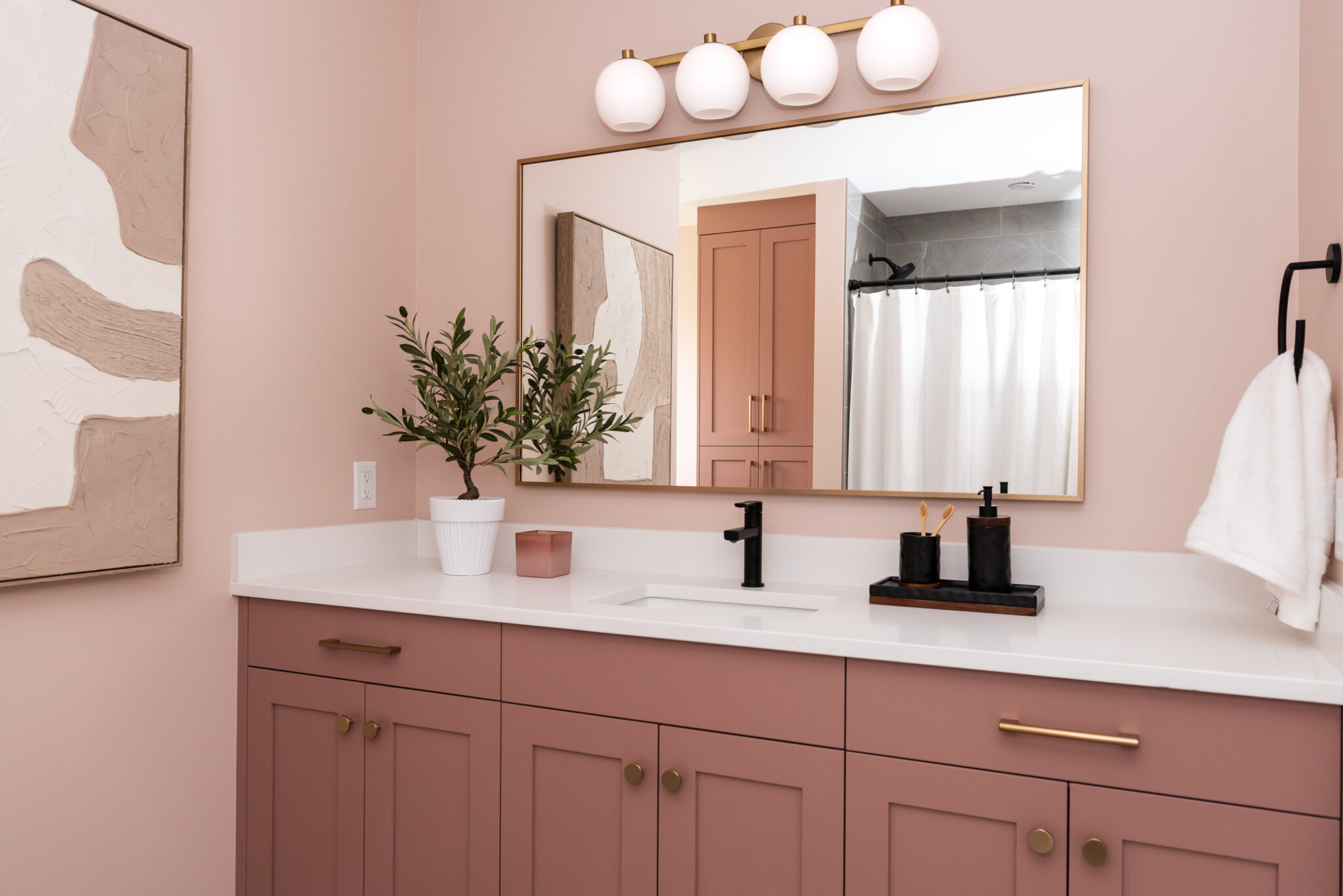
When it comes to renovations, insulation isn’t exactly the showstopper – but it’s one of the quiet heroes of comfort and efficiency. At Juxta, our goal is always the same: bring our clients as much value as possible. That means achieving modern performance standards without overspending on areas that won’t make a noticeable difference.
This particular home, a charming 1970s structure, was built with two-by-four exterior walls. That construction detail immediately presented a challenge: meeting current energy codes within that narrow wall cavity simply isn’t possible using traditional batt insulation and poly alone.
So, we got strategic.
In spaces where a few extra inches didn’t matter (think hallways or secondary bedrooms), we furred out the walls to create a deeper cavity, allowing us to use cost-effective batt insulation while still meeting code. It’s a practical move that preserved budget for the areas that needed a little more finesse.
In rooms where every inch counts, like the kitchen, ensuite, and primary bedroom – we upgraded to closed-cell spray foam. This high-performance option achieves the same insulation values and air sealing standards without sacrificing square footage. It’s one of those behind-the-scenes decisions that makes a tangible difference in daily comfort.
We also tackled a hidden efficiency issue up in the attic. Because the original 1970s build didn’t include a proper vapour barrier between the wall plates, we needed a creative way to tie our new air seal into the existing structure. Our solution? Once the poly was installed, we sprayed foam directly over the top of every interior wall meeting attic space. That layer bridged the gap from one side of the poly to the other, creating a continuous, airtight envelope throughout the home.
It’s the kind of detail no one will ever see, but everyone will feel. Warmth that stays put. Energy bills that stay reasonable. And a renovation that stands up to today’s standards without losing sight of value.
After all, smart design isn’t just what you see, it’s what’s inside the walls that counts.
More of an auditory learner? Tune in to hear about this strategy from Kellen.
💬 FAQ: How Do You Decide What Type of Insulation to Use in a Renovation?
Q: How does Juxta decide between batt insulation and spray foam on a project?
A: Every home is different, but our goal is always to balance cost, comfort, and code compliance. In older homes with shallow wall cavities (like many 1970s builds), traditional batt insulation often can’t meet today’s energy standards without adding thickness to the wall. We’ll sometimes “fur out” those walls—essentially adding depth—where space allows so we can use cost-effective batt insulation.
In tight or high-priority spaces like kitchens and ensuites, we use closed-cell spray foam. It delivers superior insulation and air sealing performance without losing precious square footage.
Q: Why is air sealing in the attic important?
A: Air leaks at the top of your walls can undermine your entire insulation system. In this project, we solved that by applying spray foam over the top of interior walls that meet attic space, creating a continuous air barrier. This prevents heat loss, drafts, and moisture migration—small details that make a big difference in how the home feels and performs.
Want to read more about this project (and see all the incredible before and afters?) Click here.
Want more like this post? Click one of the posts below:
→ Transitional Bathroom Tips — comfort you can feel — behind the tile
→ The Best Benjamin Moore White Paint Colours — pair high-performance envelopes with timeless finishes
More questions? Head to our FAQ page linked here.
Want to get started on your own project? Book a Discovery Call below today.
Still hungry? Here’s more