
The Hood Fan That Required Everyone to Talk First
A seamless kitchen finish isn't just about what gets installed. It's about the order in which everything happens, and who knew what, and when.
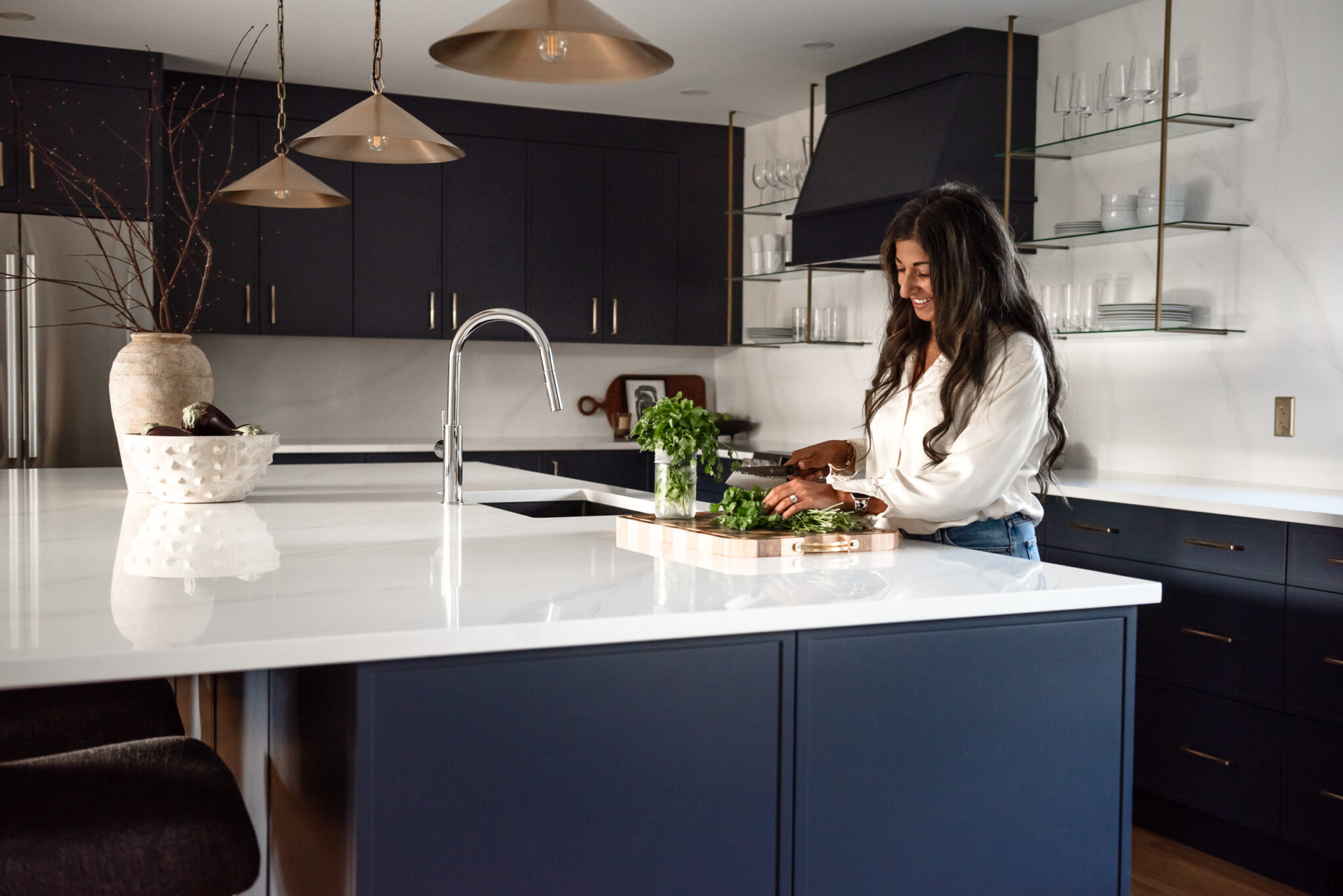
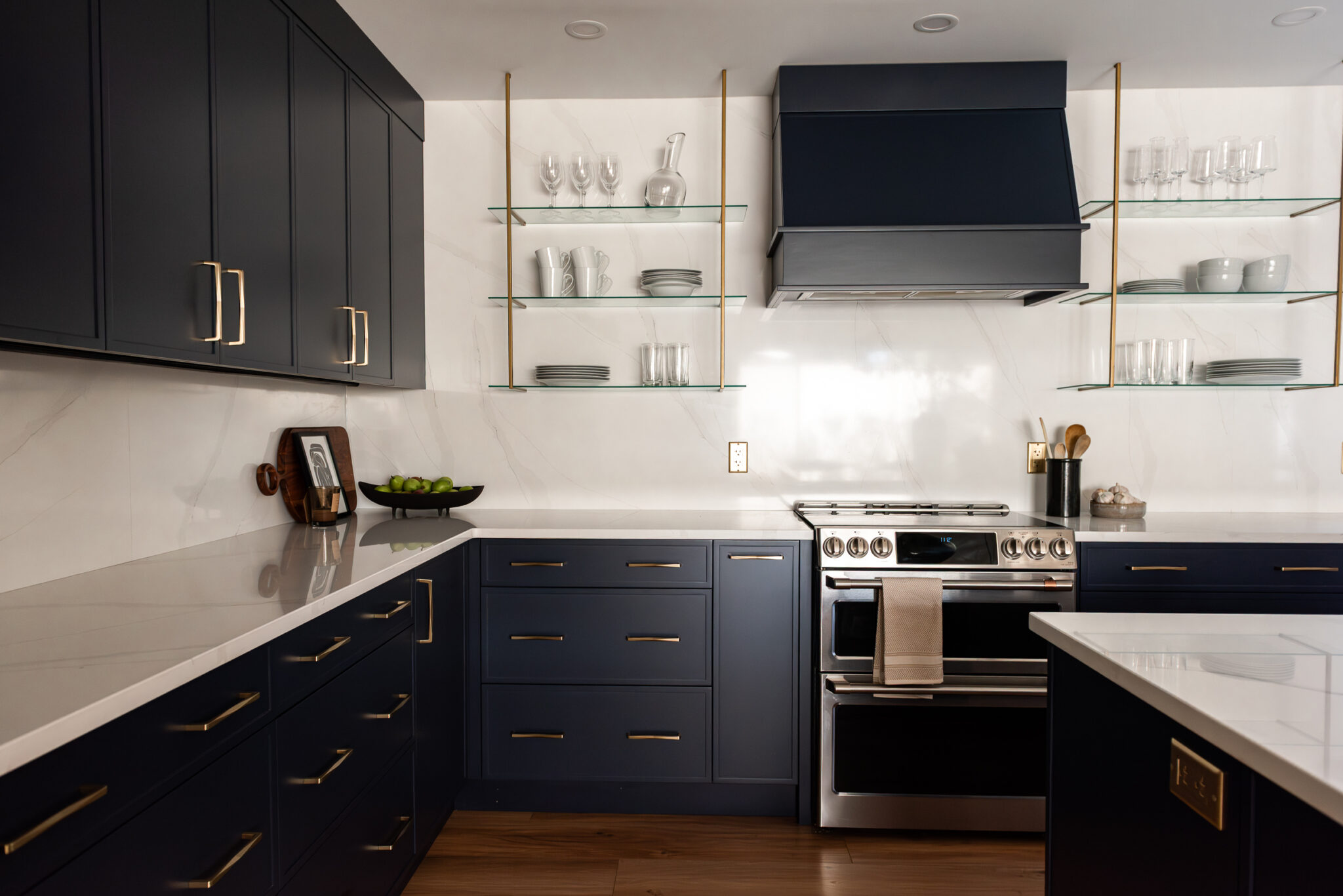
The cabinetry hood fan in the Cove House kitchen is one of those details that reads as quietly perfect. It sits flush against the quartz backsplash with no visible cuts, no awkward gaps, no trim pieces trying to hide a mistake. The stone meets the cabinet work cleanly, and the whole wall feels like a single composed surface.
Getting there required a sequence of decisions and conversations that started long before anyone arrived on site with a tool in hand.
The problem with a simple-looking finish
Most hood fans are installed after the backsplash. The stone goes in first, gets cut around the hood’s footprint, and a trim piece or caulk line bridges the gap. It works, but up close the seam gives it away. You can always tell where one trade stopped and another started.
The style of hood fan chosen for Cove House didn’t allow for that approach. To achieve a truly seamless look, the quartz backsplash needed to be installed first, and the hood fan needed to sit on top of it. No cuts in the stone around the hood, no reveals, no compromises.
“It looks so simple, but it took a lot of forethought and a lot of communication between trades to make this installation happen the way it did.”
The sequence that made it work
This kind of result doesn’t happen by accident. It required the cabinet supplier, the stone installer, and the builder to be working from the same information at the same time, weeks before the kitchen took shape.
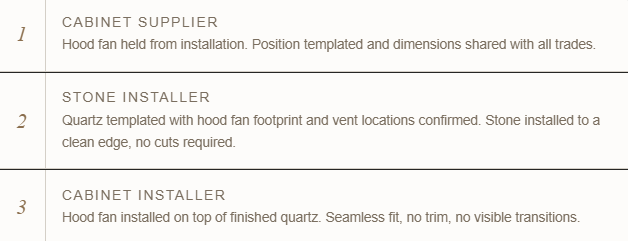
The cabinet supplier was asked to hold the hood fan and not install it. Instead, the exact position was templated out so the stone installer had a precise reference at the template stage. He knew exactly where the quartz needed to terminate, where the venting would be running behind the wall, and how to keep a clean edge that the hood fan would eventually land on. Only then, with the quartz fully set and cured, could the hood fan be installed on top for a finish with no cuts and no compromise.
Why sequencing is a design decision
In a design-build project, the order of installation is just as deliberate as the selection of materials. Choosing this hood fan wasn’t just an aesthetic decision, it was a commitment to a specific construction sequence that required every trade involved to understand the plan and execute their piece of it at exactly the right moment.
When that coordination works, the result is a kitchen wall that looks like it was always going to be this way, effortless, resolved, and completely seamless. The complexity disappears into the finish, which is precisely where it belongs.
Follow the Build
We’re sharing the process, the missteps, and the decisions behind every detail at Cove House. More stories coming soon.
Want to read more about this project (and see all the incredible before and afters?) Click here.
More questions? Head to our FAQ page linked here.
Want more like this post? Click on one of the posts below:
→ Behind the Build: The All-Important Order of Operations — “when every trade aligns early, everything that follows works better”
→ Behind the Build: No Bulkheads! — “the cleanest results come from decisions made before framing begins”
→ Why a Design + Build Firm Makes All the Difference — “seamless coordination is what turns complex details into effortless ones”
Want to get started on your own project? Book a Discovery Call below today.
Still hungry? Here’s more